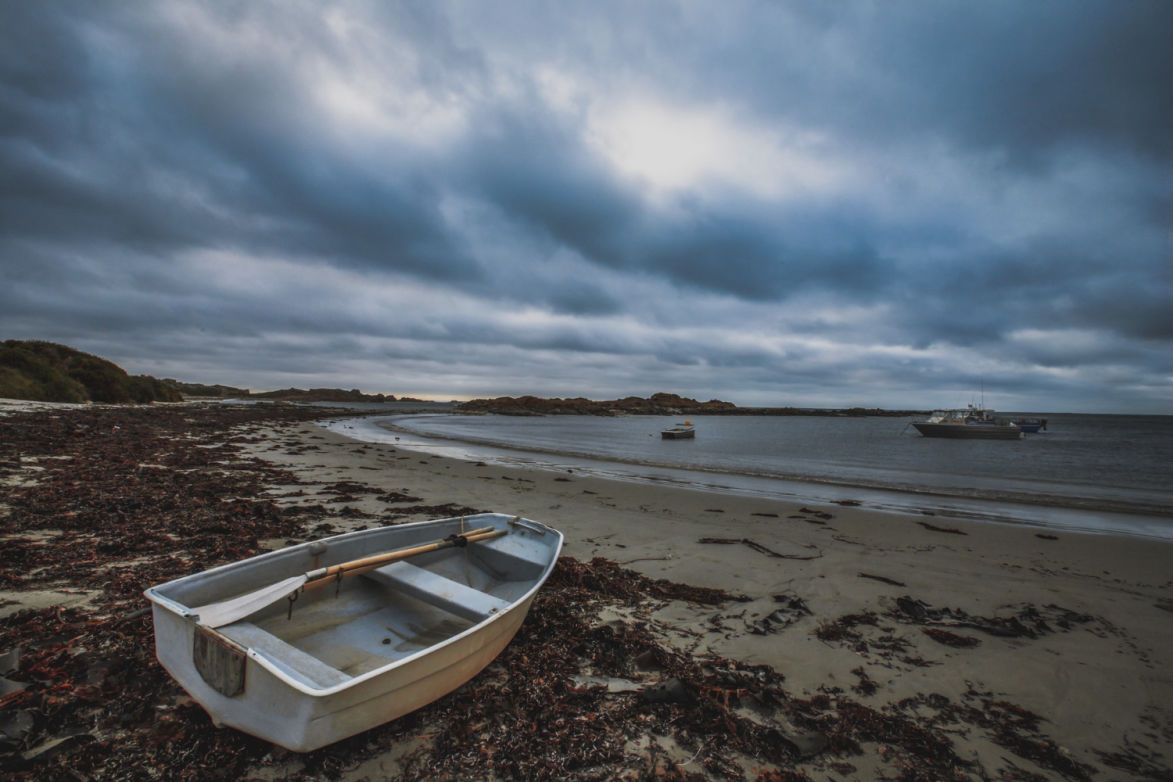
Morning Calm: A Dream Start
The day began like any other tropical adventure. My friends and I had hired a small boat for a coastal tour. The vessel was tiny — just a guide, the boat, and the three of us. The sea was calm, the sun glinting on the waves. Birds flew overhead, and the scent of saltwater filled the air.
We were excited but relaxed, sipping fresh coconut water and snapping photos of the coastline. In hindsight, that calm was deceiving — the ocean has a way of luring you into false comfort.
First Signs of Trouble
Around mid-morning, clouds gathered on the horizon. At first, they were harmless gray streaks. But within an hour, the sky darkened, and the wind picked up. The guide, an experienced local, squinted at the waves.
“They’re growing,” he muttered. “We might get some rough weather.”
We laughed nervously, thinking it was exaggeration. After all, we had boats and life jackets — how bad could it get?
The Storm Hits
By noon, the wind had transformed into gusts strong enough to whip water into our faces. The waves grew taller than our tiny boat, tossing us up and down like a toy in a bathtub. Rain lashed against our skin, soaking us instantly.
The guide shouted instructions over the roar of the wind: “Hold on! Keep your balance! Don’t lean too far!”
In those moments, time slowed. Every wave was a new challenge. Every splash, a reminder that we were small and vulnerable. The horizon disappeared into gray, and the boat pitched wildly.
Fighting the Fear
It’s impossible to describe the fear of being in a tiny boat on an angry ocean. Heart racing, adrenaline surging, muscles tense — every instinct screamed “get off!” But there was nowhere to go. Survival meant focus.
I clung to the boat, trusting the guide’s experience, while trying to ignore the thunder and the lightning striking somewhere in the distance. My friends’ faces reflected the same mix of awe and terror.
The Small Details You Notice
In moments like these, you notice everything. The sound of the wind tearing across the boat. The smell of salt, rain, and fuel. The relentless motion of the waves. You hear the creak of wood, the splash of water, the distant call of gulls. Every detail is amplified — the ocean commands attention.
Oddly, there’s a strange beauty in it. Even amidst chaos, you see patterns: the way waves curl, how water catches light, the sheer power of nature. You feel alive in a way city life can never replicate.
Teamwork and Trust
The storm forced us to rely on each other. We shouted instructions, helped each other brace against waves, and passed buckets to bail water when the boat started taking on spray. Every small action mattered.
It was a humbling lesson in teamwork and trust. You can’t fight a storm alone. You have to surrender to some degree and work with those around you — human and natural alike.
Hours That Felt Like Days
Seven hours passed in a blur. We were exhausted, drenched, and emotionally drained. Our muscles burned from constant tension. But we endured. Every wave survived was a small victory. Every calm moment between gusts a tiny relief.
During the lull periods, we talked quietly about life, travel, and why we seek these adventures. Fear, it turns out, can sharpen your mind and make ordinary conversation feel profound.
The Storm Eases
Eventually, the rain slowed, the wind softened, and the waves lost their rage. The horizon reappeared, a muted palette of grays and blues. We were battered, wet, and tired, but the tiny boat had carried us through.
The guide smiled, relieved. “We’ll make it back now. The worst is behind us.”
There was laughter — nervous, exhausted, and pure joy at surviving something so unpredictable. We had stories that would outlive our fear.
Aftermath: Reflection and Awe
By the time we returned to shore, the sun was setting. Water dripped from every pocket and crevice, clothes clung to our bodies, and muscles ached. But we were alive. The storm left marks — on our bodies, minds, and memories — that would last a lifetime.
We sat on the dock, sharing stories with locals who nodded knowingly. They’d all been through storms like this. They reminded us that travel is about more than comfort; it’s about experiencing life in its rawest forms.
Even in exhaustion, awe lingered. We’d seen the ocean at its fiercest, felt our vulnerability, and emerged exhilarated. Adventure isn’t just the smooth, picturesque moments — it’s surviving the storm, literally and metaphorically.
Practical Tips for Surviving a Storm at Sea
Check the Weather: Always review forecasts before leaving the shore. Storms can develop quickly.
Hire Experienced Guides: Local knowledge is invaluable. They know currents, waves, and safe routes.
Wear Life Jackets: Don’t compromise on safety.
Pack Light, Waterproof Gear: Protect phones, cameras, and essential documents.
Stay Calm: Focus on small, actionable tasks rather than panic.
Know Emergency Signals: Learn basic safety signals before departure.
Why You Should Still Go
Even knowing the risks, I’d do it again. There’s nothing quite like being tested by nature, feeling the raw energy of the ocean, and realizing how small, yet resilient, we are. Travel is more than comfort and sightseeing; it’s growth, adrenaline, and awe combined.
Storms at sea may be terrifying, but they create stories, strengthen character, and give you a sense of perspective that cities, beaches, or even mountains rarely provide.
Final Thoughts
Seven hours in a tiny boat during an ocean storm isn’t just a travel anecdote. It’s a lesson in humility, teamwork, courage, and respect for the natural world. The waves are unpredictable, fear is intense, and the experience is exhausting — but it’s unforgettable.
For anyone seeking adventure, remember: the story isn’t just the calm waters or the sunsets. Sometimes, it’s the storm you survive that shapes your journey most.
Travel safely, prepare thoroughly, and embrace the wild, because the ocean will test you — and reward you — in ways you never imagined.